
More roads to be protected from potholes in £8 million surface treatment programme


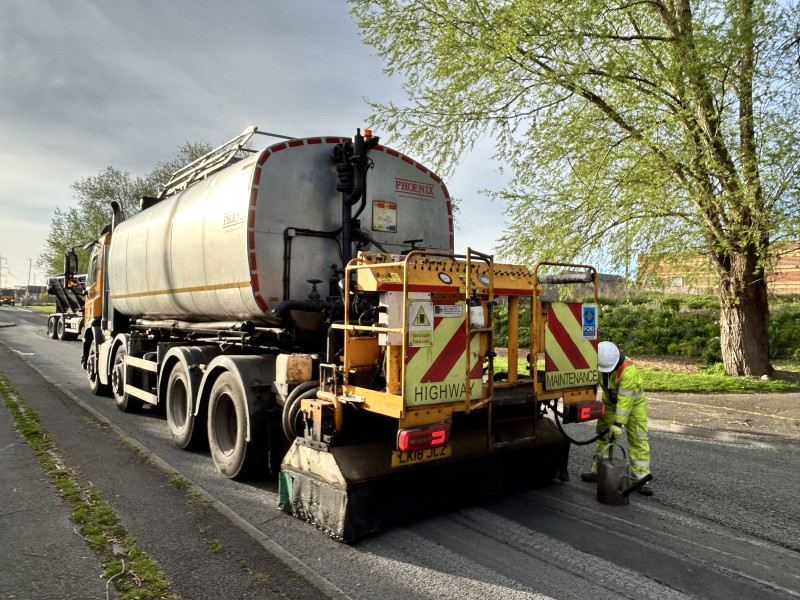

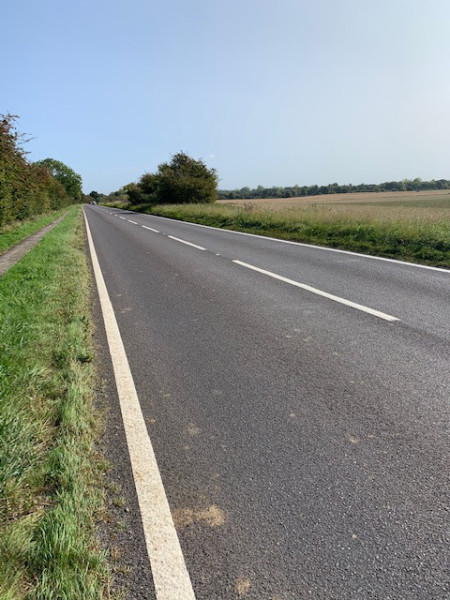
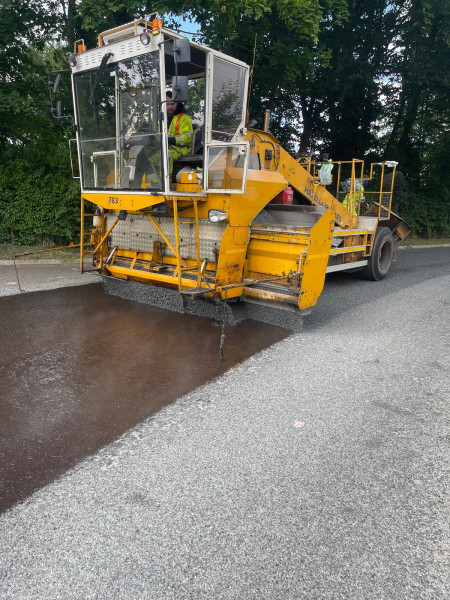
Following an unprecedented winter which saw a spike in the number of pothole reports nationally and locally, more than a million square metres of carriageway in Oxfordshire is set to be treated to reduce the risk of future road defects occurring.
Eighty-seven roads will be improved as part of an £8 million Oxfordshire County Council highway maintenance programme beginning this spring.
The council and its principal highway contractor M Group will be visiting 62 towns and villages between April and June to carry out surface dressing work.
Councillor Andrew Gant, Oxfordshire County Council’s Cabinet Member for Transport Management, said: “The places with the best roads there are the ones that don’t get potholes in the first place.
“Oxfordshire has some of the busiest roads in the country, with 4.79 billion vehicle miles travelled in 2024. Heavy traffic puts huge strain on road surfaces.
“Reactive pothole repairs are expensive and inefficient. Preventative maintenance, such as surface dressing, is far better value and stops potholes forming in the first place.”
Richard Lovewell, M Group Business Director, said: “Surface dressing is the most cost-effective and efficient way to increase the life of our roads. It prevents water ingress, improves skid resistance and ultimately protects the carriageway from future potholes.
“We’re proud to be supporting the council in delivering this forward-thinking investment in Oxfordshire’s road network. Delivering a programme of this scale demands real teamwork between the council and M Group working alongside our partners Hazell & Jefferies and Wilson & Scott.
“My thanks go out to everyone involved in pulling this complex programme together and to the crews who will be working tirelessly on the ground.”
The council is urging motorists to watch out for notifications of the work taking place and to drive carefully after it has been carried out.
Driving too fast on a recently treated road can result in broken windscreens or chipped paintwork, as the friction from the tyres can dislodge loose chips. There is also an increased risk of skidding while the new chippings ‘bed in’.
For these reasons, an advisory speed limit of 20mph will be put in place. It is important to adhere to these low speeds until all warning signs have been removed.
Surface dressing takes place after existing defects have been patched and involves applying bituminous emulsion onto the road as a binder. This is followed immediately by the application of chippings to dress the emulsion layer.
The method offers many advantages, including:
- Sealing the road surface to keep out water, one of the major causes of deterioration and potholes.
- Reducing the deterioration of the road surface.
- Restoring the necessary level of skid resistance to reduce skid-related traffic collisions.
- Enabling worn out road surfaces to last longer, increasing the time before structural maintenance is required.
- Maximising the cost effectiveness of limited highway maintenance budgets.
- Minimising traffic disruption and congestion as large areas of roads – up to 100,000 square metres – can be treated in a single day.
- The work is highly weather dependent and cannot be completed in wet conditions.
Updated details about the programme, including a map showing where and when the work will be taking place, will be available on Oxfordshire County Council’s website.
However, the work is highly weather dependent and cannot be completed in wet conditions. Therefore, the earlier in the spring it can be started, the more likely it can be completed with minimal disruptions as it provides extra leeway for days lost to rain.
Last year, the council treated over 1.4 million square metres of carriageway, whether in full-scale resurfacing programmes or preventative treatments, like surface dressing which prolongs the life of the roads treated by up to 10 years.
Sign up to hear from us and receive the latest news and updates in our fortnightly newsletter, Your Oxfordshire.