
String of measures designed to improve Oxfordshire’s resilience to extreme weather
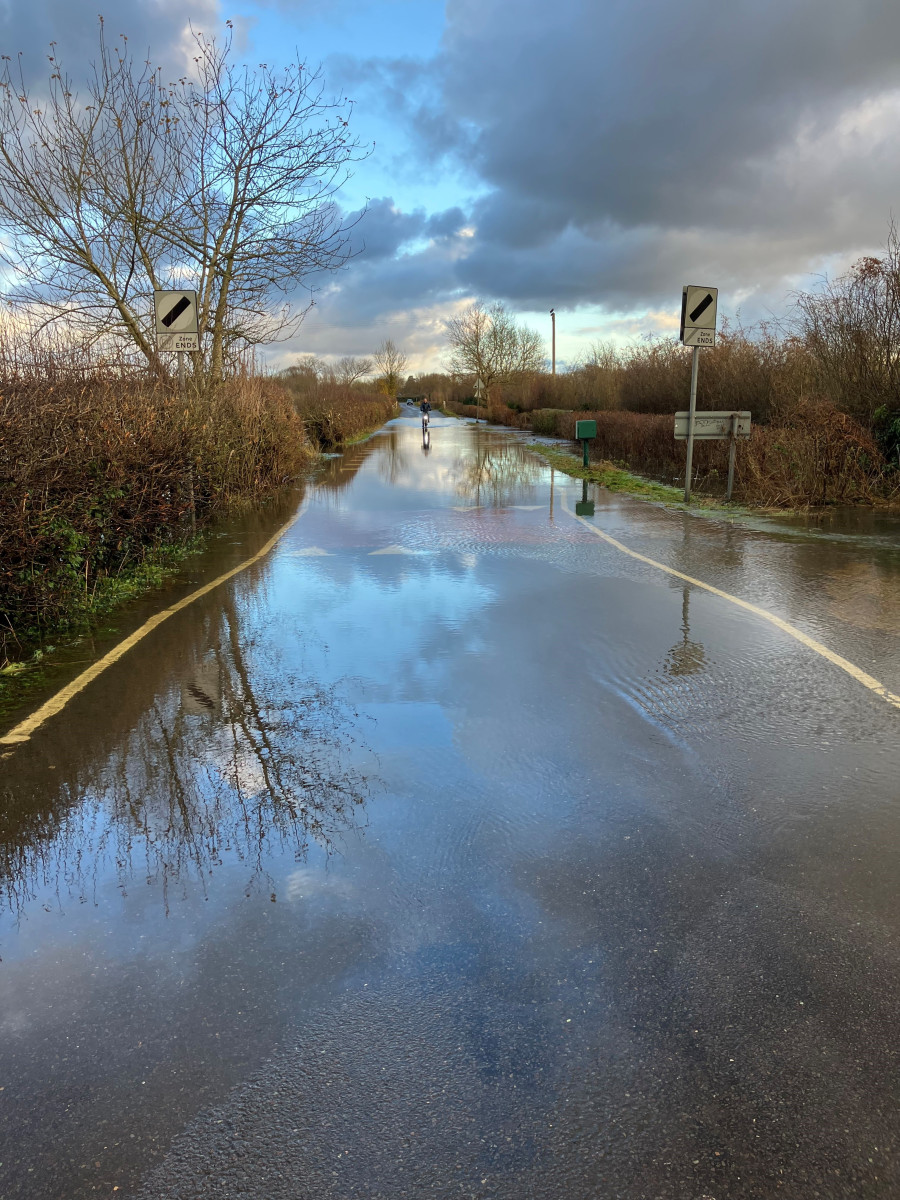
More than 80 actions have been recommended to help Oxfordshire prepare for the “significant” impact of climate change.
Oxfordshire County Council’s cabinet today approved the adoption of the Oxfordshire climate adaptation route map and a delivery plan for its implementation. The route map contains 82 measures, including 15 priority actions for 2025 - 26.
The measures will help ensure the county’s natural environment, communities, infrastructure, buildings and businesses are prepared for more regular and severe flooding, a higher likelihood of water scarcity, cold snaps, storms and more intense and prolonged heatwaves.
Councillor Dr Pete Sudbury, Deputy Leader of Oxfordshire County Council with Responsibility for Climate Change, Environment and Future Generations, said: “The risks to Oxfordshire from the impacts of climate change are significant. Lessons from around the world in recent months warn us that extreme weather can devastate communities, often without warning, causing deaths, destroying dreams, wrecking businesses and devastating supply chains.
“Oxfordshire is not immune. The increasingly frequent flood events, the record 38C heatwave in 2022 and the extreme levels of rainfall in 2024 are a harbinger of things to come, because we know the rising temperatures driving more extreme and larger scale weather events will continue for at least the next 30 years. We are all in this together.
“Without concerted and decisive action, the impacts of these events will only get worse. The health and wellbeing of our residents and communities will suffer, the size of the local economy will shrink, and our biodiversity and natural habitats will be increasingly threatened.
“That’s why it’s vital to prepare. We, as a council, have led the development of this programme for Oxfordshire working with our partners and many stakeholders to plan against these risks. The jointly developed route map sets out how this plays out over the coming years. Now we can all work together to put these recommendations into action.”
Failure to adapt would disproportionately affect Oxfordshire’s vulnerable residents. Heatwaves and flooding particularly impact the elderly, very young, those with certain disabilities and many living in deprived communities who have limited ability and resources to adapt.
The route map, which has already been endorsed by the Future Oxfordshire Partnership, was developed by Oxfordshire’s councils, businesses, the universities, the NHS and community groups, to enable the county to take collective action and build long-term resilience to a changing climate.
Some of the long-term actions include capturing weather data, tree planting and biodiversity programmes, analysing fire, flood and drought risk, monitoring the colonisation of new species, assessing changes to the risk of diseases spread by insects such as ticks, and analysing the threats to roads and bridges.
It also recommends resilience training for carers, expanding schemes that promote household, school and business resilience, and researching the effectiveness of cool spaces.
The potential impacts of climate change on Oxfordshire’s historic buildings, pollution levels, food security and pest outbreaks will also need to be assessed.
The 15 priority actions for 2025 - 26 include establishing working groups, identifying funding sources, developing adaptation plans, analysing habitats, species and crops, which are most at risk from climate change, and producing adaptation guidance for developers.
Click Sign up to hear from us and receive the latest news and updates in our fortnightly newsletter, Your Oxfordshire.